
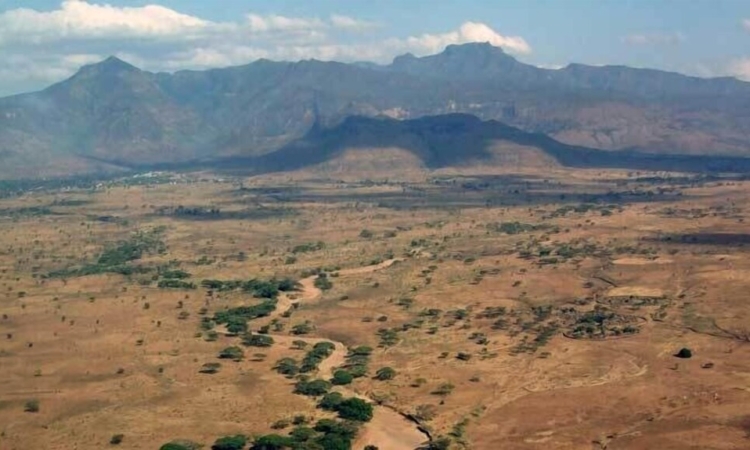
Mount Moroto is located in Moroto District in northeastern Uganda, along the border with Kenya. It rises to 3,083 meters (10,115 feet) and was formed through a volcanic eruption. It is part of the Mount Moroto Forest Reserve, which includes montane forests, dry savannah, and wildlife.
The mountain is locally known as Moru To, which means “Western Mountain.” The name came from early travelers from Ethiopia who saw the mountain to their west.
Mount Moroto Forest Reserve helps protect tree species that are at risk of being lost, such as the East African pencil cedar. The mountain is home to the Tepeth people, who were the first known inhabitants of the Karamoja region. They later moved up the mountain when the Karamojong settled in the lowlands.
The Tepeth were originally hunters and fruit gatherers. As wild animals became fewer, they started practicing agro-pastoralism. Visitors can take cultural tours to meet the Tepeth people and learn about their food, beliefs, and way of life.
Wildlife at Mount Moroto includes more than 200 bird species, leopards, wild cats, hyenas, and colobus monkeys.
The best time to visit Mount Moroto is between September and March during the dry season when roads are easier to use. You can reach the mountain by flying from Entebbe International Airport to Moroto Airstrip or by road, which takes at least 10 hours.
Hiking is one of the main activities at Mount Moroto. The hike is challenging but enjoyable, with wide views of the Karamoja region. It can take anywhere from half a day to two days. Tepeth local guides help lead the way, and you may see birds and monkeys along the trails. The highest peak, Sokodek, and another common peak, Imagit, are rewarding places to reach.
Bird watchers can see unique birds like the African blue flycatcher, white-chinned prinia, Karamoja apalis, African goshawk, chinspot batis, and Chubb’s cisticola. Mount Moroto is also a good location for photographers and filmmakers because of the high views of the Karamoja region, wildlife, and the presence of the Tepeth people.
Mount Moroto is more than just a mountain. It is a place to experience nature, culture, and wildlife, and it plays an important role in conserving the region’s environment.


