
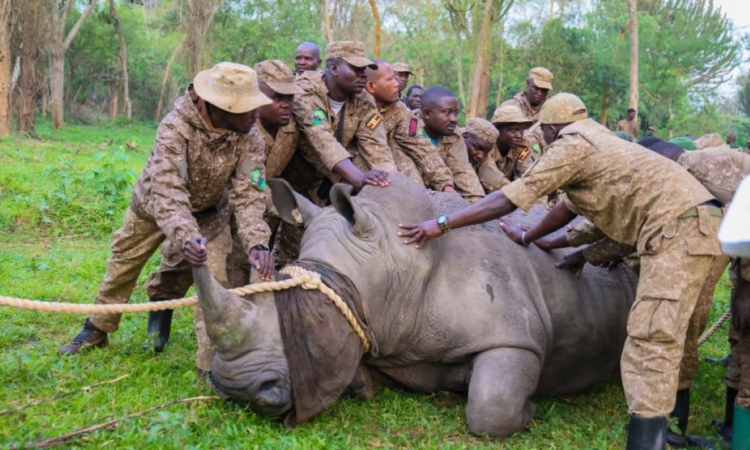
The Uganda Wildlife Authority has begun moving rhinos back to Kidepo Valley National Park, marking an important step in restoring a species that disappeared from the area more than four decades ago. This effort signals a new phase in Uganda’s conservation work, with the goal of rebuilding rhino populations in places where they once lived naturally.
The first stage of this process involves transferring Southern White Rhinos from Ziwa Rhino Sanctuary to Kidepo. The operation started with two rhinos, and a total of eight are expected to be moved during this phase. This relocation is part of a long-term plan to re-establish a stable and growing rhino population in the park.
According to Uganda Wildlife Authority leadership, this reintroduction is a major achievement in the country’s wildlife conservation journey. It represents the beginning of restoring an important species that once played a role in the park’s ecosystem. The plan is not limited to these first animals. More rhinos are expected to be introduced over time to help build a strong and sustainable population.
This initiative follows Uganda’s National Rhino Conservation Strategy, which guides efforts to bring rhinos back into their former habitats. The strategy focuses on restoring populations, improving protection, and ensuring that rhinos can survive in the long term. Before choosing Kidepo as a release site, detailed studies were carried out to confirm that the park could support rhinos again. These studies looked at habitat conditions, food availability, security, and overall suitability.
Kidepo Valley National Park was identified as one of the best locations for rhino reintroduction in Uganda. It has a large and relatively undisturbed Savannah ecosystem, which provides the type of environment rhinos need. The park’s remote location also offers an added level of protection, which is important for a species that has suffered heavily from poaching in the past.
Before bringing the rhinos in, extensive preparations were completed to ensure their safety and survival. A special sanctuary area has been created within the park. This area includes secure fencing to protect the animals, as well as access roads, ranger posts, and water systems. Firebreaks have also been established to reduce the risk of bush fires, and monitoring systems are in place to track the rhinos and respond quickly to any threats.
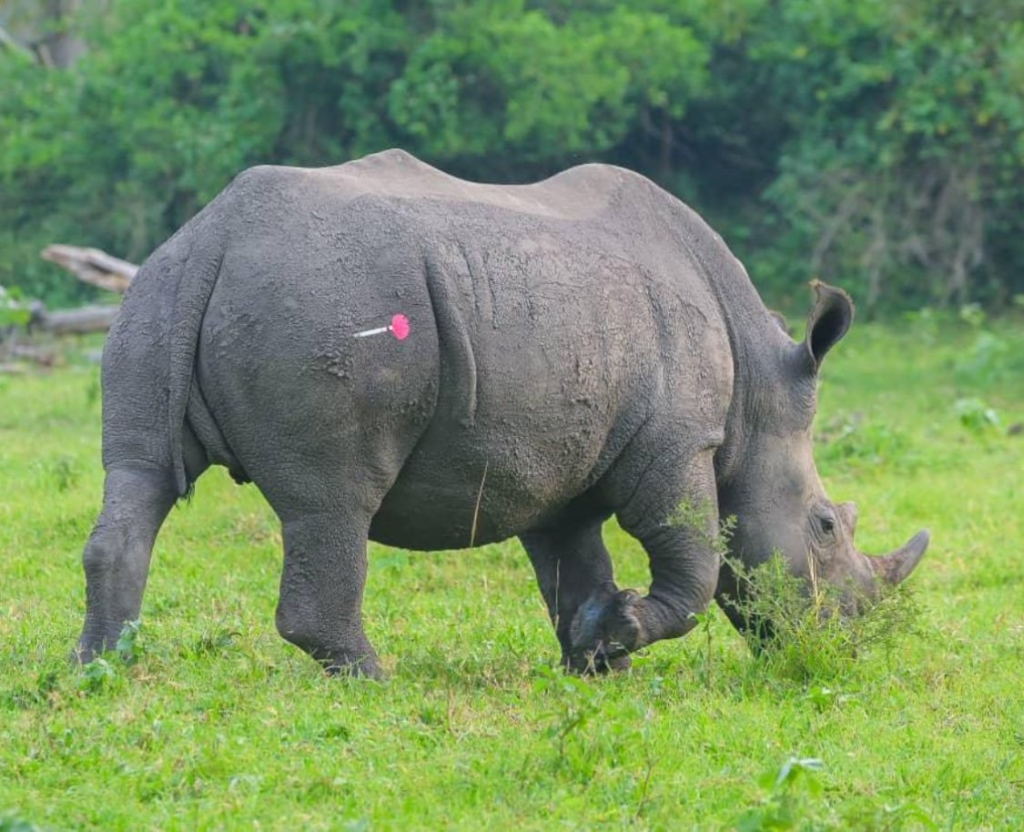
The success of this project has depended on strong partnerships. Several conservation organizations have worked together with the Uganda Wildlife Authority to make the reintroduction possible. These partners have contributed funding, technical knowledge, equipment, and planning support. Their involvement has been key in building the sanctuary and preparing the park for the arrival of the rhinos.
Once the rhinos reach Kidepo, they will not be released directly into the open park. Instead, they will first stay in the protected sanctuary. Here, trained rangers and veterinary teams will monitor them closely. This allows the animals to adjust to their new surroundings while ensuring their health and safety. Over time, as they settle in and conditions allow, they may be gradually introduced into a wider area.
Historically, rhinos were part of the Kidepo ecosystem. They moved freely across the landscape and contributed to the balance of the environment. However, during the late 1970s and early 1980s, heavy poaching and insecurity led to their disappearance. The last rhino in the park was killed in 1983 in Narus Valley. Since then, the species has been absent from Kidepo for more than 40 years.
Uganda’s efforts to bring back rhinos began in 2005 with the establishment of a breeding program at Ziwa Rhino Sanctuary. This was after rhinos had become extinct in the wild in Uganda. Over the years, the sanctuary has successfully grown the population. Additional rhinos were also brought in from South Africa to strengthen the gene pool and support further expansion.
Today, Uganda’s rhino population has grown to over 60 individuals. This progress has made it possible to start reintroducing rhinos into other protected areas like Kidepo. The move represents a shift from keeping rhinos only in a sanctuary to restoring them in the wild, where they can once again play their natural role.
The return of rhinos to Kidepo is expected to bring several benefits. From a conservation point of view, it helps restore the park’s ecological balance by reintroducing a key species. Rhinos influence vegetation and habitat structure, which in turn affects other wildlife.
There are also tourism benefits. Kidepo Valley National Park is already known for its wildlife and remote setting. The addition of rhinos will make it even more attractive to visitors. This can support tourism growth, create jobs, and generate revenue for conservation and local communities.
Overall, this reintroduction is a significant step forward for wildlife conservation in Uganda. It shows that with planning, protection, and cooperation, it is possible to restore species that were once lost. While the process will take time, the return of rhinos to Kidepo marks the beginning of a new chapter for the park and for Uganda’s natural heritage.


